
Arm Arteries
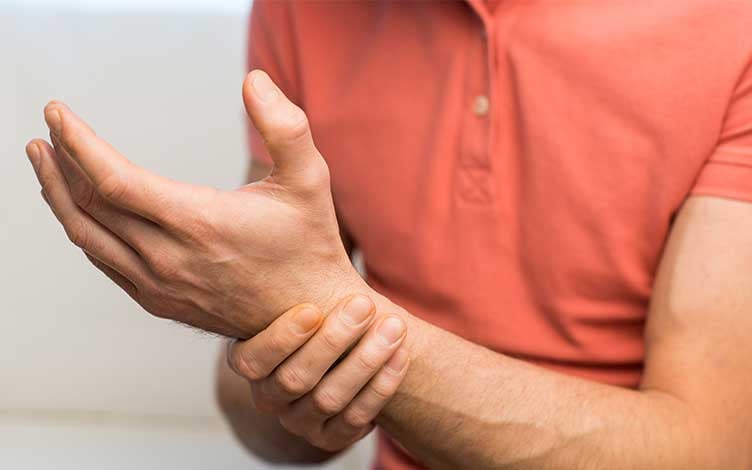
Arm arteries
An ultrasound on the arm arteries, also known as an upper limb arterial ultrasound, is a non-invasive imaging test to create images of the arteries in your arm, helping to assess blood flow and identify potential blockages or narrowing from conditions such as plaque build up in atherosclerosis, autoimmune disease or an embolism. Atherosclerosis in the arteries of the arm is less common than seen in the legs but a stenosis or occlusion of these arteries can cause ischemia in the hand and in worst cases can result in tissue loss.
Why we do this scan
The primary goal of an arm arteries ultrasound is to assess the health and function of the arteries in your arm. It can also be used to evaluate blood vessel health after procedures like bypass surgery.
Why choose us
Our experienced vascular sonographer possesses a deeper understanding of vascular anatomy, blood flow dynamics, and the subtle signs of vascular disease. Smaller vessels and subtle changes in blood flow patterns, which can be indicative of early disease, require the keen eye of an expert sonographer for accurate diagnosis.
Risk factors
Risk factors include smoking, high blood pressure, high cholesterol, diabetes, and increasing age, especially over 65. Other factors like obesity, a sedentary lifestyle, and family history of related conditions also increase the risk.
Symptoms
Claudication: Pain, aching, or cramping in the arm or hand that occurs during exercise or activity and is relieved by rest.
Pain at rest: As the disease progresses, pain may be experienced even when the arm is at rest, especially in the fingers.
Coldness: The affected arm, hand, or fingers may feel cold to the touch.
Skin changes: The skin on the arm, hand, or fingers may appear pale or bluish. Fingernails may also appear bluish and grow slowly.
Numbness or tingling: A prickling, burning, numbness, or tingling sensation may be felt in the arm, hand, or fingers.
Weakness or heaviness: The affected arm may feel weak or heavy, especially during or after activity.
Non-healing sores or ulcers: Sores or ulcers on the fingers or hands may be slow to heal or may not heal at all.
Decreased or absent pulse: In severe cases, the pulse in the wrist may be weak or absent.
Complications
Arterial disease in the arm can lead to several serious complications if left untreated. These include ischemia (inadequate blood flow), gangrene (tissue death), and potential amputation of the affected limb. Other complications can include heart attack, stroke, and blood clots.
Preparation for the ultrasound
There is no patient preparation needed for this scan which will take up to 30 minutes for each arm. You will be asked to remove clothing to expose the neck, shoulder, and arm, however a loose thin strapped singlet may be left on. We will ask for you to sit on the edge of our examination bed or lay down and the sonographer will apply a gel to the skin and move the transducer over the area. The scan assesses the entire arm from the neck to the wrist. The procedure is usually painless and you will hear noises from the ultrasound machine which is the blood flow moving through your arteries.

CoreWave Vascular Ultrasound
Locations:
Wangara
Suite 3, 46 Buckingham Drive
Wangara, WA 6065
Canning Vale
Queensgate Specialist Centre
Suite 11, 2nd Floor, 2 Queensgate Drive
Canning Vale 6155
Waikiki Specialist Centre
Suite 7, 217 Willmott Drive
Waikiki, WA 616
Duchess Medical Practice
4/69 Duchess Street
Busselton, WA 6280
Contact Information:
Email: office@corewave.com.au
Phone: 0437 507 282
Business hours:
9am - 5pm
Monday to Friday
Saturdays – fortnightly
Fax: (08) 7947 7282