
Mesenteric Arteries

Mesenteric Arteries
The mesenteric arteries are a group of three major arteries in the abdomen that supply blood to the gastrointestinal tract. They are the celiac trunk, the superior mesenteric artery (SMA), and the inferior mesenteric artery (IMA). These arteries play a vital role in delivering oxygen and nutrients to the intestines and other abdominal organs and crucial for proper digestion and nutrient absorption. The arteries also play a role in the immune system, as lymph nodes within the mesentery help to trap and remove bacteria and viruses from the intestines. Blockages or narrowing of the mesenteric arteries can lead to mesenteric ischemia, a serious condition that can cause abdominal pain, nausea, vomiting, and even bowel infarction.
Why we do this scan
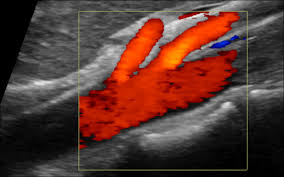
A Mesenteric artery ultrasound, also known as mesenteric duplex, is performed to assess blood flow to the intestines and other abdominal organs. It helps diagnose and monitor conditions like mesenteric artery stenosis (narrowing) or aneurysms. The Doppler ultrasound can measure blood flow velocity in the arteries, helping to identify areas of restricted flow.
Why choose us
Mesenteric arteries are relatively small and located deep within the abdomen, making them challenging to visualize and interrogate with ultrasound. An experienced sonographer is crucial for mesenteric artery ultrasounds due to the technical complexity of imaging these vessels and the need for accurate interpretation of Doppler waveforms. Accurate diagnosis relies on understanding normal and abnormal flow patterns and correctly identifying normal variants, which requires specialized expertise.
Risk factors
The primary risk factors for mesenteric artery disease, which can lead to mesenteric ischemia (reduced blood flow to the intestines), are related to the build-up of plaque in the arteries (atherosclerosis) and conditions that increase the risk of blood clots. These include smoking, hypertension, high cholesterol, diabetes, older age, and a history of heart or vascular disease.
Symptoms
Abdominal pain: A key symptom, often described as severe and crampy, typically starting within 15-60 minutes after eating and lasting for a period of time.
Weight loss: Due to a fear of eating and the pain associated with it.
Nausea and vomiting: Can occur along with or independently of the abdominal pain.
Changes in bowel habits: May include diarrhea, constipation, or both.
Bloody stools or rectal bleeding: Less common, but can be a sign of severe ischemia.
Acute vs. Chronic:
Acute mesenteric ischemia presents with sudden, severe pain and other symptoms, often requiring immediate medical attention. Chronic ischemia can have a more gradual onset, with symptoms that may be vague and intermittent.
Complications
Mesenteric ischemia, if not treated promptly, can lead to severe complications, including irreversible bowel damage (necrosis), sepsis, and even death. These complications arise from the lack of adequate blood flow to the intestines, causing the bowel tissue to die and potentially leading to a systemic infection.
Preparation for the ultrasound
Fasting (no eating or drinking) is required for 5 hours prior to the ultrasound. Fasting reduces the amount of gas in your abdomen, which provides clearer images of the arteries. All patients should take their usual oral medications with a small amount of water. DO NOT fast if you are a Diabetic. We will ask for you to lie on your back on the examination bed and apply gel to the skin, moving the transducer over the area. The procedure is usually painless and you will hear noises from the ultrasound machine which is the blood flow moving through your arteries.
CoreWave Vascular Ultrasound
Locations:
Wangara
Suite 3, 46 Buckingham Drive
Wangara, WA 6065
Canning Vale
Queensgate Specialist Centre
Suite 11, 2nd Floor, 2 Queensgate Drive
Canning Vale 6155
Waikiki Specialist Centre
Suite 7, 217 Willmott Drive
Waikiki, WA 616
Duchess Medical Practice
4/69 Duchess Street
Busselton, WA 6280
Contact Information:
Email: office@corewave.com.au
Phone: 0437 507 282
Business hours:
9am - 5pm
Monday to Friday
Saturdays – fortnightly
Fax: (08) 7947 7282