
Peripheral Arterial
What is Peripheral Arterial Disease?
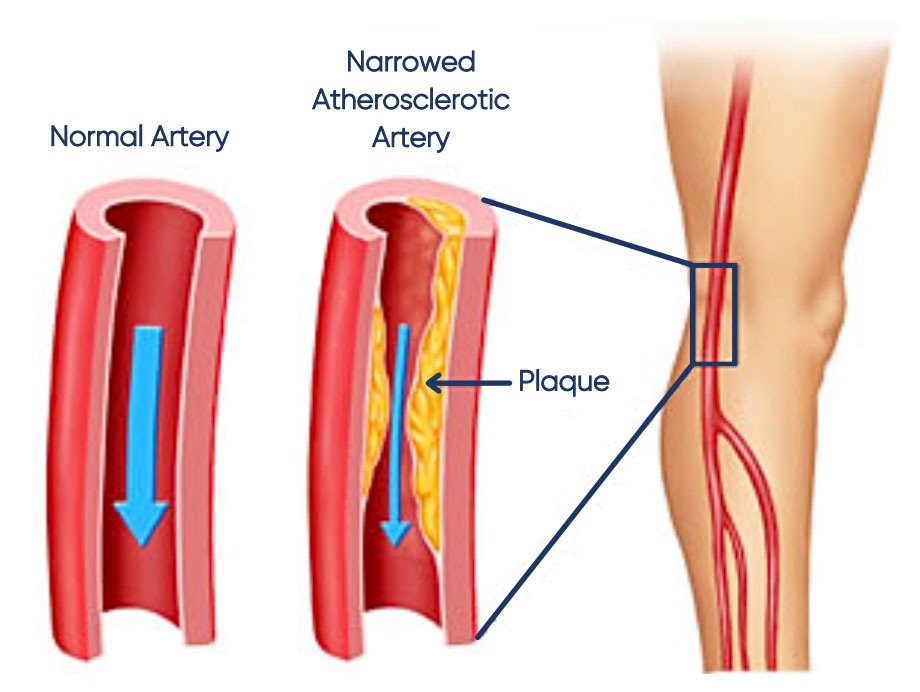
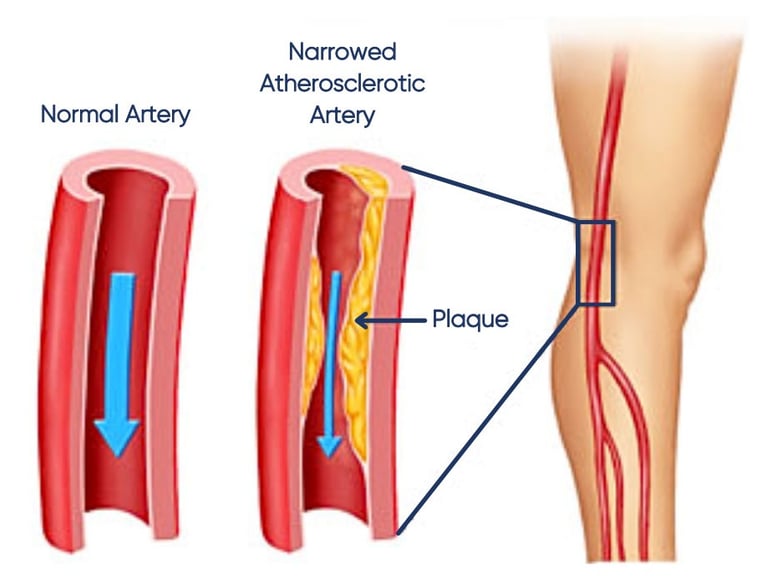
Peripheral arterial disease (PAD), also known as peripheral vascular disease (PVD), is a condition where narrowed arteries reduce blood flow to the legs and feet. Often caused by atherosclerosis which is the buildup of plaque, made from fatty deposits, cholesterol, calcium, cellular waste products, and fibrin within the arterial walls, lessening the amount of oxygen and other nutrients reaching the body.
Why we do this scan
Ultrasound of the peripheral arterial system is an effective and reliable method of diagnosis, evaluating the extent and severity of arterial disease, monitoring progression and planning treatment. We assess the arterial system from the aorta in the abdomin, all the way down to the feet. A narrowing in the abdominal arteries can reduce blood flow to the legs, causing syptoms in the hips, legs or feet.
Why choose us
Our experienced vascular sonographer possesses a deeper understanding of vascular anatomy, blood flow dynamics, and the subtle signs of vascular disease. Smaller vessels and subtle changes in blood flow patterns, which can be indicative of early disease, require the keen eye of an expert sonographer for accurate diagnosis.
Risk factors
Key risk factors for peripheral artery disease (PAD) include diabetes, smoking, high blood pressure, high cholesterol, obesity, and increasing age, particularly after 50, with a family history of heart disease or stroke also increasing risk.
Symptoms
Symptoms can include pain,cramping or aching in the calf, thigh or buttocks during activity, called claudication. The pain typically subsides with rest and reoccurs upon resuming activity. Peripheral artery disease (PAD) can cause noticeable skin changes in the legs and feet, including shiny, pale, dry, or cool skin, discoloration, hair loss, and slow-healing sores or ulcers, potentially leading to gangrene. Other symptoms include numbness, tingling, cold feet.
Complications
If left untreated, PAD can lead to serious complications, including critical limb ischemia (poor blood flow to the limbs), and in severe cases, even amputation or death. Gangrene is a serious and potentially life-threatening condition characterised by the death of body tissues due to a lack of blood supply or infection and typically occurs when blood flow to an area is severely restricted or completely blocked.
Preparation for the ultrasond
Fasting (no eating or drinking) is required for 5 hours prior to the ultrasound. Fasting reduces the amount of gas in your abdomen, which provides clearer images of the arteries. All patients should take their usual oral medications with a small amount of water. DO NOT fast if you are a Diabetic.
A peripheral arterial scan begins in the abdomen and continues along the groin crease and down the inside of the thigh to the ankle. We will require you to remove your shoes, socks and trousers/shorts. Dresses and skirts don't need to be removed if they can be lifted out of the way. We will ask for you to lie on your back on the examination bed and apply gel to the skin, moving the transducer over the area. The procedure is usually painless and you will hear noises from the ultrasound machine which is the blood flow moving through your arteries.


CoreWave Vascular Ultrasound
Locations:
Wangara
Suite 3, 46 Buckingham Drive
Wangara, WA 6065
Canning Vale
Queensgate Specialist Centre
Suite 11, 2nd Floor, 2 Queensgate Drive
Canning Vale 6155
Waikiki Specialist Centre
Suite 7, 217 Willmott Drive
Waikiki, WA 616
Duchess Medical Practice
4/69 Duchess Street
Busselton, WA 6280
Contact Information:
Email: office@corewave.com.au
Phone: 0437 507 282
Business hours:
9am - 5pm
Monday to Friday
Saturdays – fortnightly
Fax: (08) 7947 7282