
Radial Artery Mapping for CABG
Radial Artery Mapping for CABG
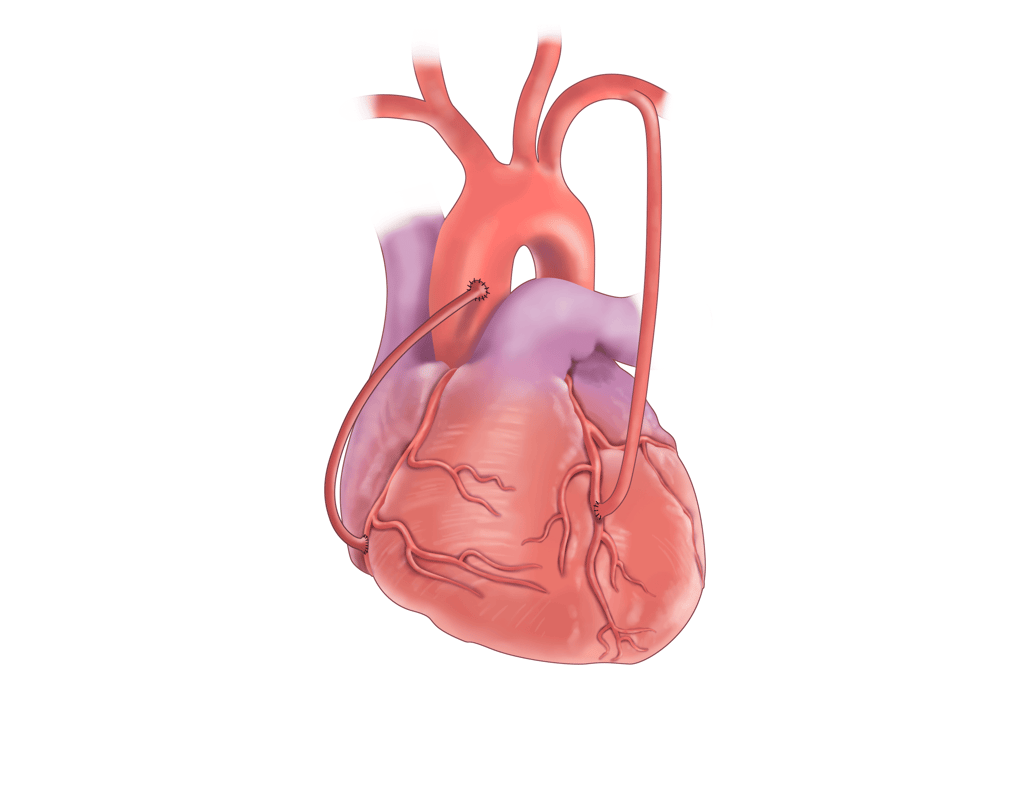
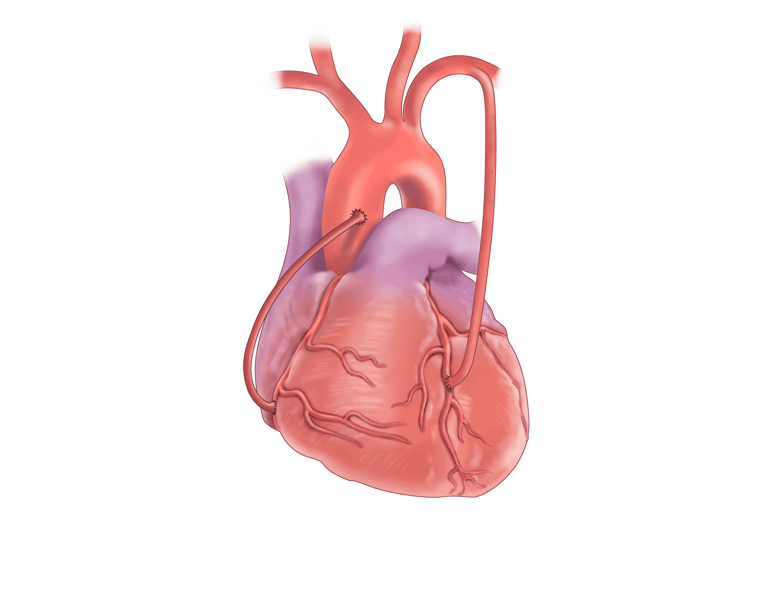
Radial artery mapping for CABG (Coronary Artery Bypass Grafting) involves assessing the suitability of the radial artery as a graft for bypass surgery. The radial artery offers advantages such as potentially better long-term patency compared to saphenous veins and reduces the risk of sternal wound complications. However, it can be prone to spasm, and careful patient selection and surgical technique are crucial for successful outcomes.This scan allows us to examine whether sufficient blood flow will perfuse the hand via the presence of a 'palmer arch'.
Why we do this scan
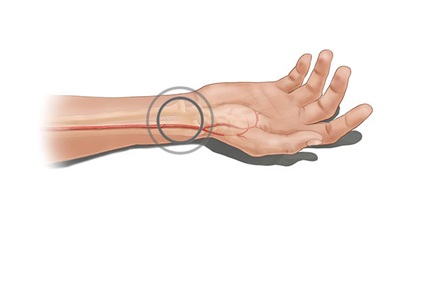
Ultrasound assessment of the arm arteries and palmar arch artery in the hand before surgery can provide information about the adequacy of the collateral blood supply to the hand if the radial artery is harvested. The ultrasound will evaluate the radial artery's diameter, patency, and the presence of any abnormalities and the palmer arch assessment involves assessing the radial artery in both arms while mimicking the scenario if they were to be removed.
Why choose us
While experience in vascular ultrasound is important, specific experience in evaluating the radial artery for CABG is also crucial, as this procedure has unique requirements. Our sonographer has extensive experience in radial artery mapping and can differentiate normal variations from true abnormalities, reducing the risk of either harvesting an unsuitable artery or unnecessarily ruling out a good one. Our accurate assessment of the radial artery is critical to prevent ischemia (lack of blood flow) to the hand post surgery.
Preparation for the ultrasound
There is no patient preparation needed for this scan which will take up to 20 minutes for each arm. You will be asked to remove clothing to expose the and arm. We will ask for you to sit on the edge of our examination bed or lay down and the sonographer will apply a gel to the skin and move the transducer over the area. We will apply intermittent compression on your forearm to mimic the scenario of if the radial artery is removed. The scan assesses the entire arm from the neck to the wrist. The procedure is usually painless and you will hear noises from the ultrasound machine which is the blood flow moving through your arteries.
CoreWave Vascular Ultrasound
Locations:
Wangara
Suite 3, 46 Buckingham Drive
Wangara, WA 6065
Canning Vale
Queensgate Specialist Centre
Suite 11, 2nd Floor, 2 Queensgate Drive
Canning Vale 6155
Waikiki Specialist Centre
Suite 7, 217 Willmott Drive
Waikiki, WA 616
Duchess Medical Practice
4/69 Duchess Street
Busselton, WA 6280
Contact Information:
Email: office@corewave.com.au
Phone: 0437 507 282
Business hours:
9am - 5pm
Monday to Friday
Saturdays – fortnightly
Fax: (08) 7947 7282